
Why Is Money on Android Phones Easier to Steal?
You might think scams only happen to people who chase cheap deals or click suspicious links.
But today’s scams have blended seamlessly into everyday life.
You’ve been waiting days for a Shopee or Lazada parcel. Then, a WhatsApp message suddenly arrives:
“Your parcel delivery failed. Click here to check the latest status.”
One click could lead to a fake website or malware.
You’re looking for a job when someone contacts you:
“We’re hiring. Please complete this online application form.”
You only want to learn more about the position, but the link may take you to a fake website—or ask you to install a so-called “company app.”
You’re a content creator and receive a potential collaboration:
“We’d like to discuss a brand partnership. Click this link to join the online meeting.”
You think you’ve finally landed a new client, but opening the link or installing the requested software could compromise your device.
You’re searching for a healthy meal and find an affordable seller with attractive photos. The seller sends you a menu and asks you to download an app to view it or place your order.
You only wanted to buy lunch but you may end up giving scammers access to your phone.
All these situations appear completely normal.
You weren’t investing, gambling, or believing in a “get rich quick” scheme. You were simply receiving a parcel, looking for work, discussing a collaboration, or ordering food.
Why Are Android Phones Frequently Targeted?
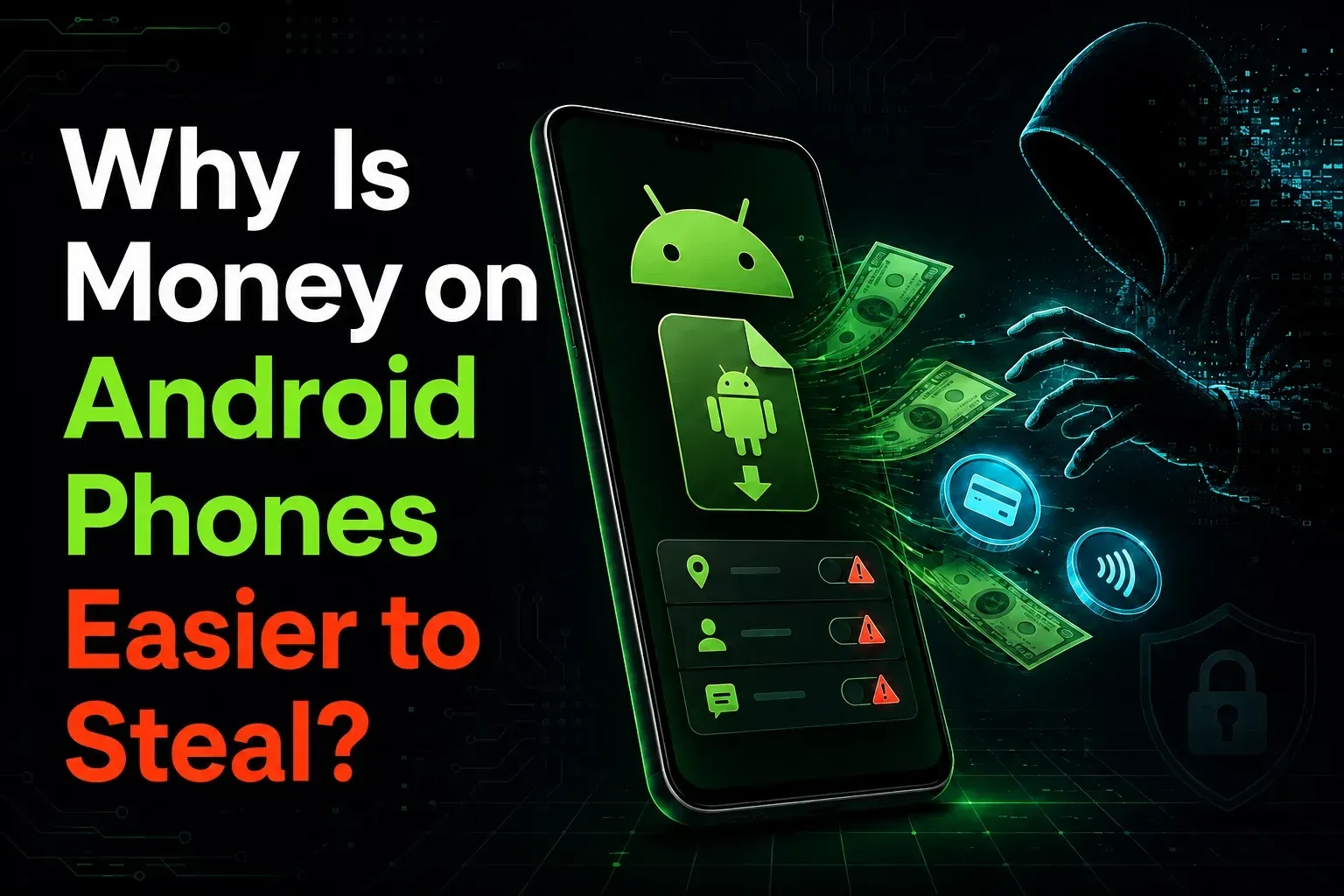
Android allows users to install apps from outside Google Play, including APK files from unknown sources.
This feature is not a vulnerability by itself. It gives users greater freedom but scammers can exploit that freedom by convincing victims to install malicious apps.
Once installed and granted high-risk permissions, a malicious app may be able to:
- Read what appears on your screen
- View your notifications
- Access sensitive information
- Control parts of your phone on your behalf
Modern scammers are smarter than many people realise. They usually don’t ask for money immediately.
Instead, they study everyday habits and create a reason that feels relevant to something you already need.
The entire process can appear reasonable, natural, and even highly professional. That is why we shouldn’t simply blame victims for being “ignorant” or “careless.”
Scammers are constantly developing new methods. The rest of us must keep learning new ways to protect ourselves.
Fraud prevention will always be a battle of awareness and adaptability.
Please Remember
- Never install an APK sent by a stranger
- Download apps only from Google Play or verified official sources
- Check an app’s requested permissions before installing it
- Confirm that every requested permission is relevant to the app’s purpose
- Verify job, collaboration, delivery, and order links independently
- Never share verification codes, PINs, or banking passwords with anyone (Including someone claiming to represent your bank)
Share this with your family and friends.
The next time you receive a link that “looks completely normal,” pause and verify it first.
Those few seconds could protect not only your phone but also the money in your accounts.
Have you ever encountered a scam? Share your experience with us in the comments below.