
18 AI Styles for Image Generation
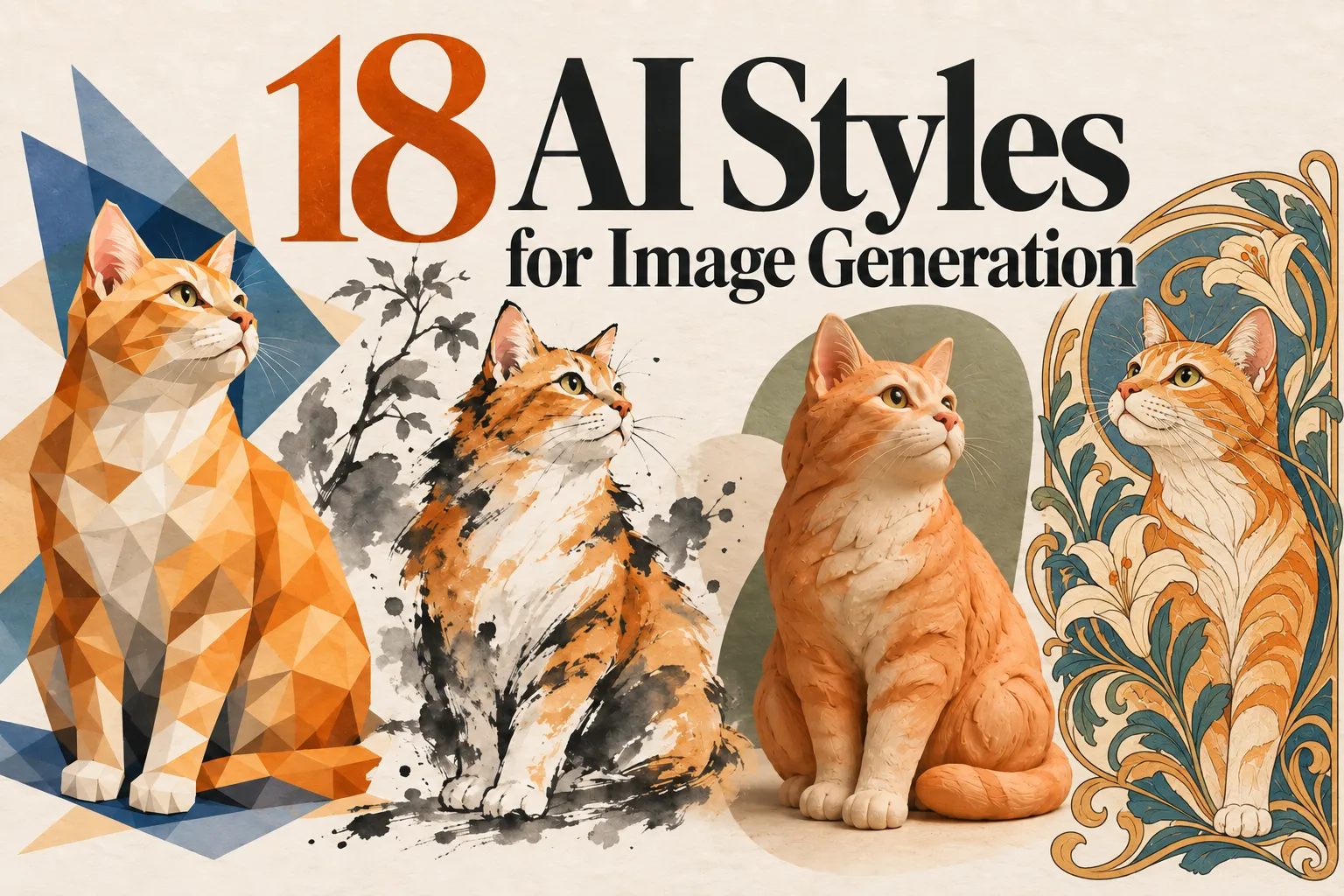
You can explore very different visual effects without changing your subject. A cat can become a geometric illustration, an ink painting, a clay character, or part of a strange futuristic world. The difference starts with how you describe the style.
This collection brings together 18 art movements, creative techniques, and visual aesthetics to try in AI image generation. Use the images as a reference for the kinds of linework, materials, colours, and atmosphere you want to explore.
The examples below use cats as a recurring subject. Results vary with the model and your prompt.
Start With a Simple Prompt
Begin with subject + style:
A seated cat with “art style”
Replace “art style” with one of the styles below. For example:
A seated cat with “low poly art”
Keep the subject and setting consistent as you compare styles. Changing one style at a time makes it easier to see what each description contributes.
Linework, Shapes, and Handmade Textures
These styles focus on how an image is constructed: angular facets, expressive lines, carved marks, or flowing decorative forms.
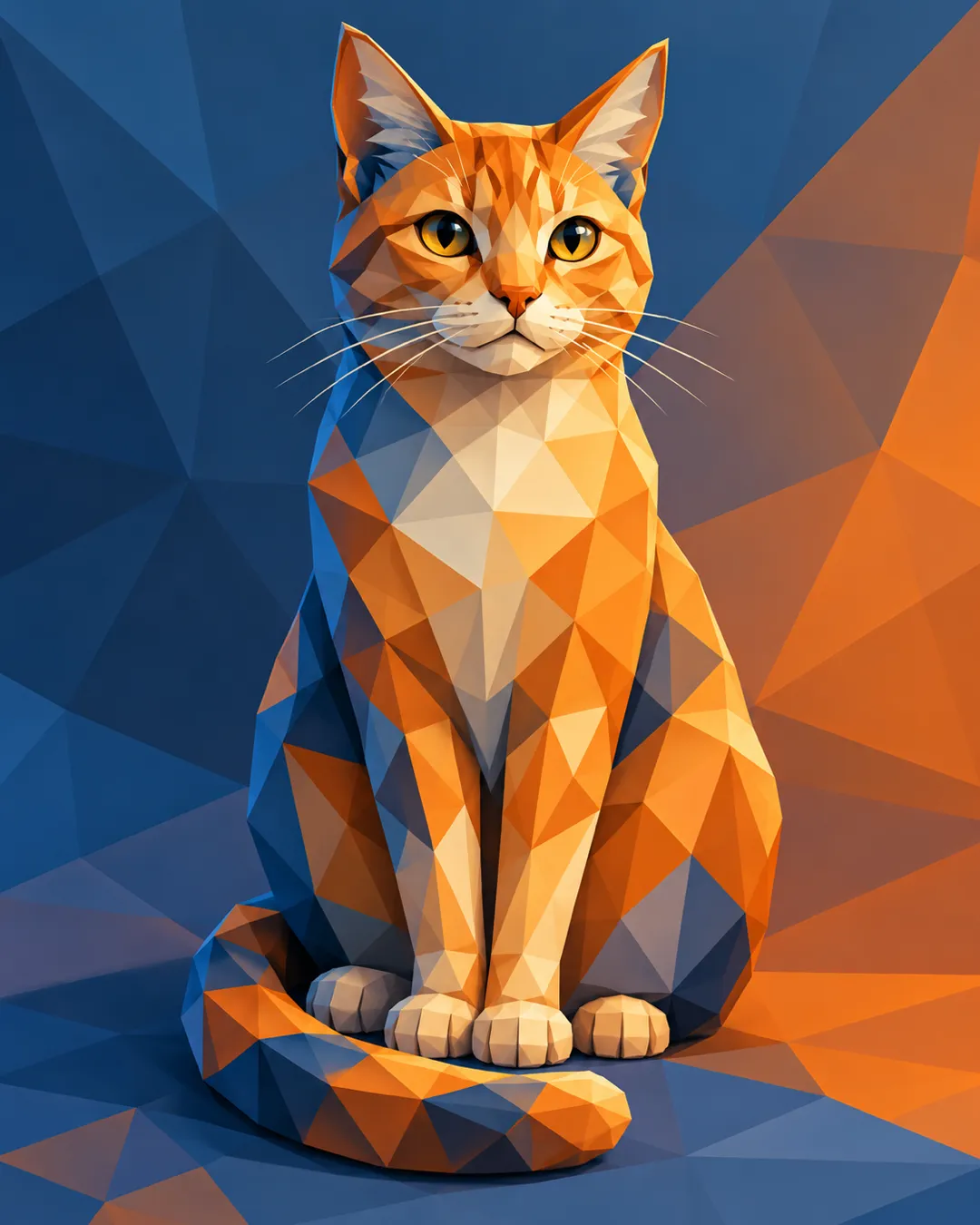
01. Low Poly Art
Low poly art breaks the subject into geometric shapes with sharp, angular edges. Flat colour facets give the image a sculpted appearance, with less emphasis on soft surface detail.
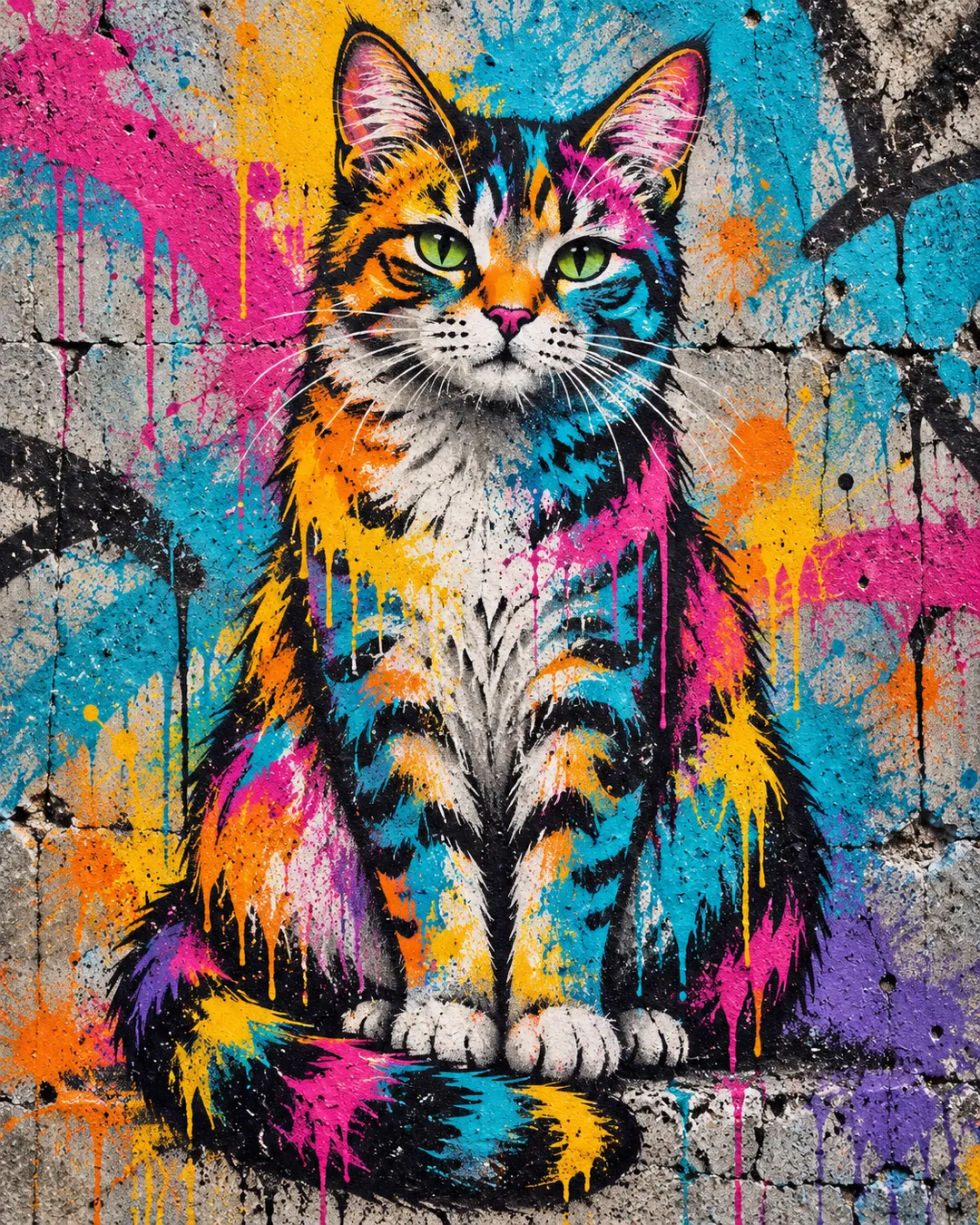
02. Graffiti
Graffiti brings spray-paint textures, bold outlines, and vibrant street-art colours into the image. Describe the surface too, such as a concrete wall, to strengthen the painted effect.
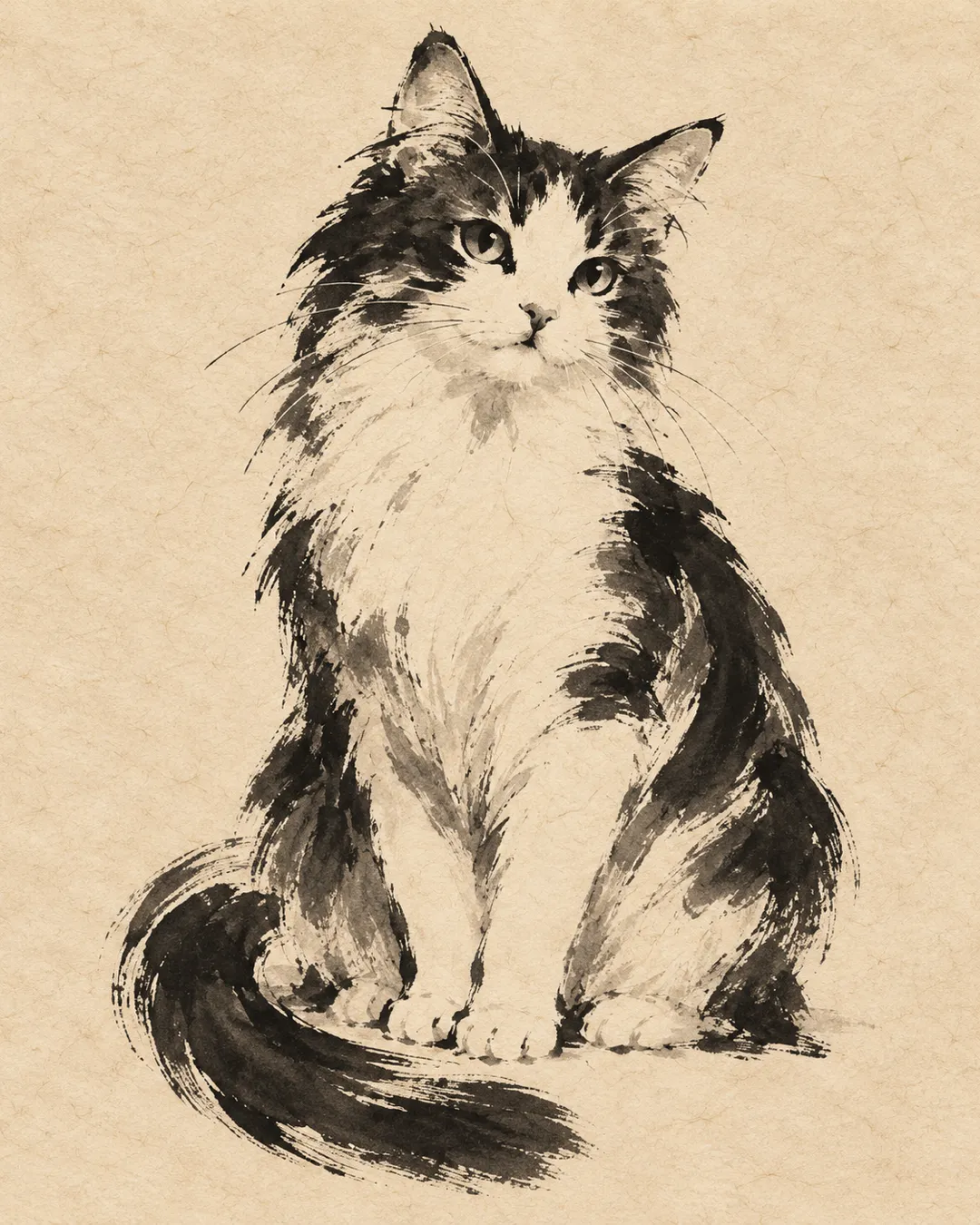
03. Calligraphy
Calligraphy emphasises expressive brushstrokes and rhythmic ink lines. For an image built around a subject rather than written words, describe brush marks that suggest its outline and movement.
04. Typography Art
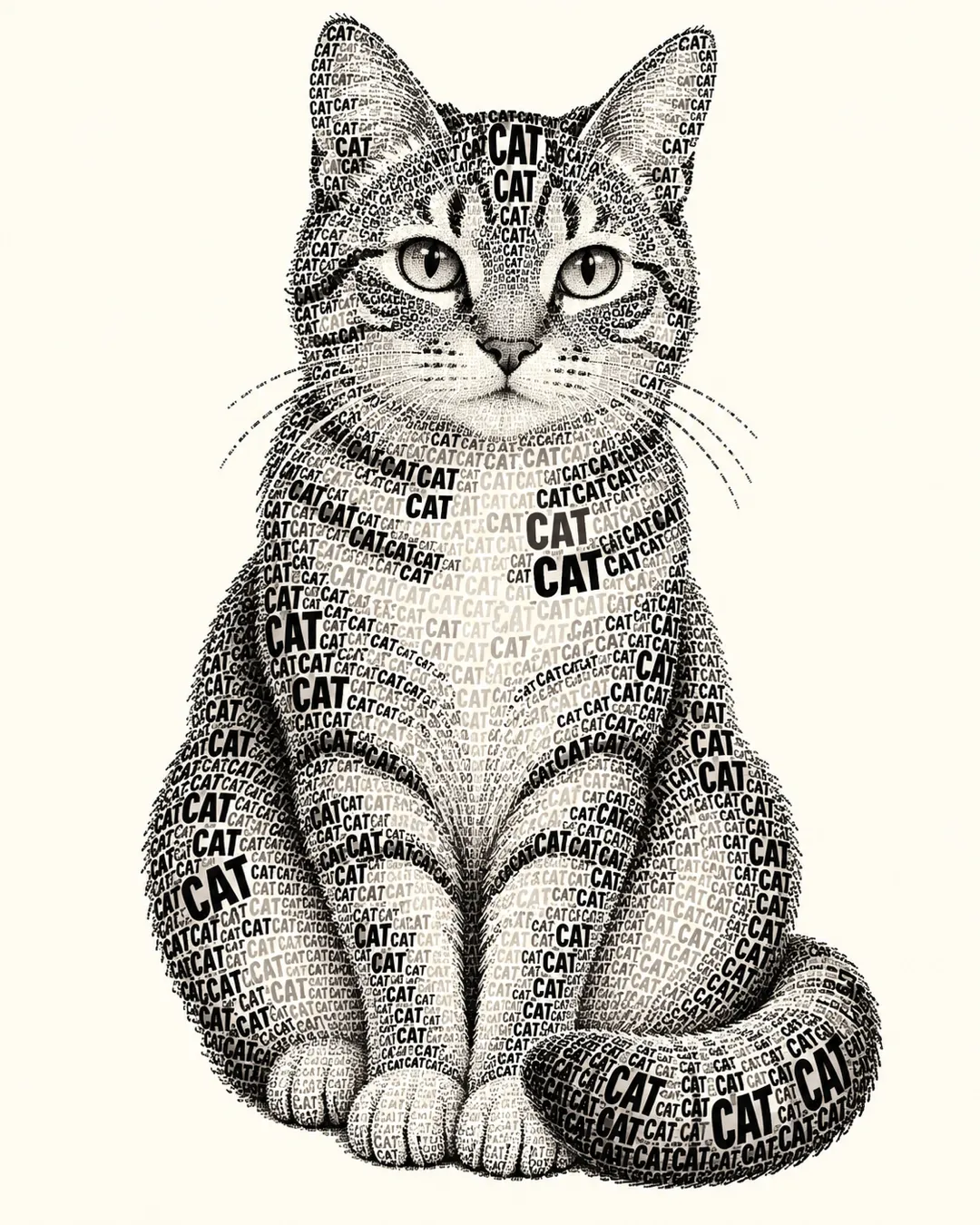
Typography art uses letterforms and their arrangement to build an image. Think about how letters might form the silhouette, fur, or background, rather than simply adding a caption.
05. Etching
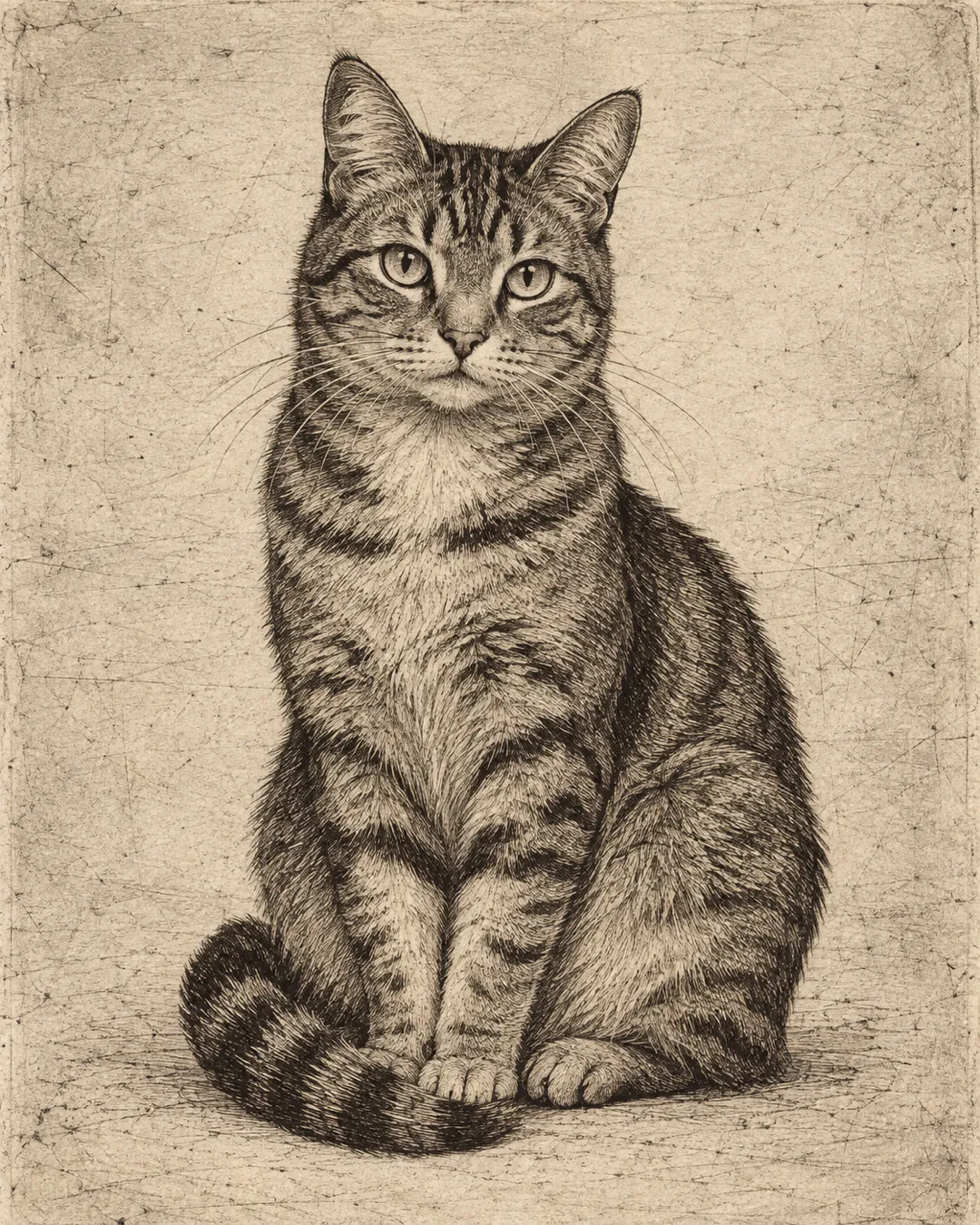
Etching uses fine engraved lines and detailed cross-hatching. Describe closely spaced marks and a limited palette when you want the appearance of a carefully worked print.
06. Woodcut Print
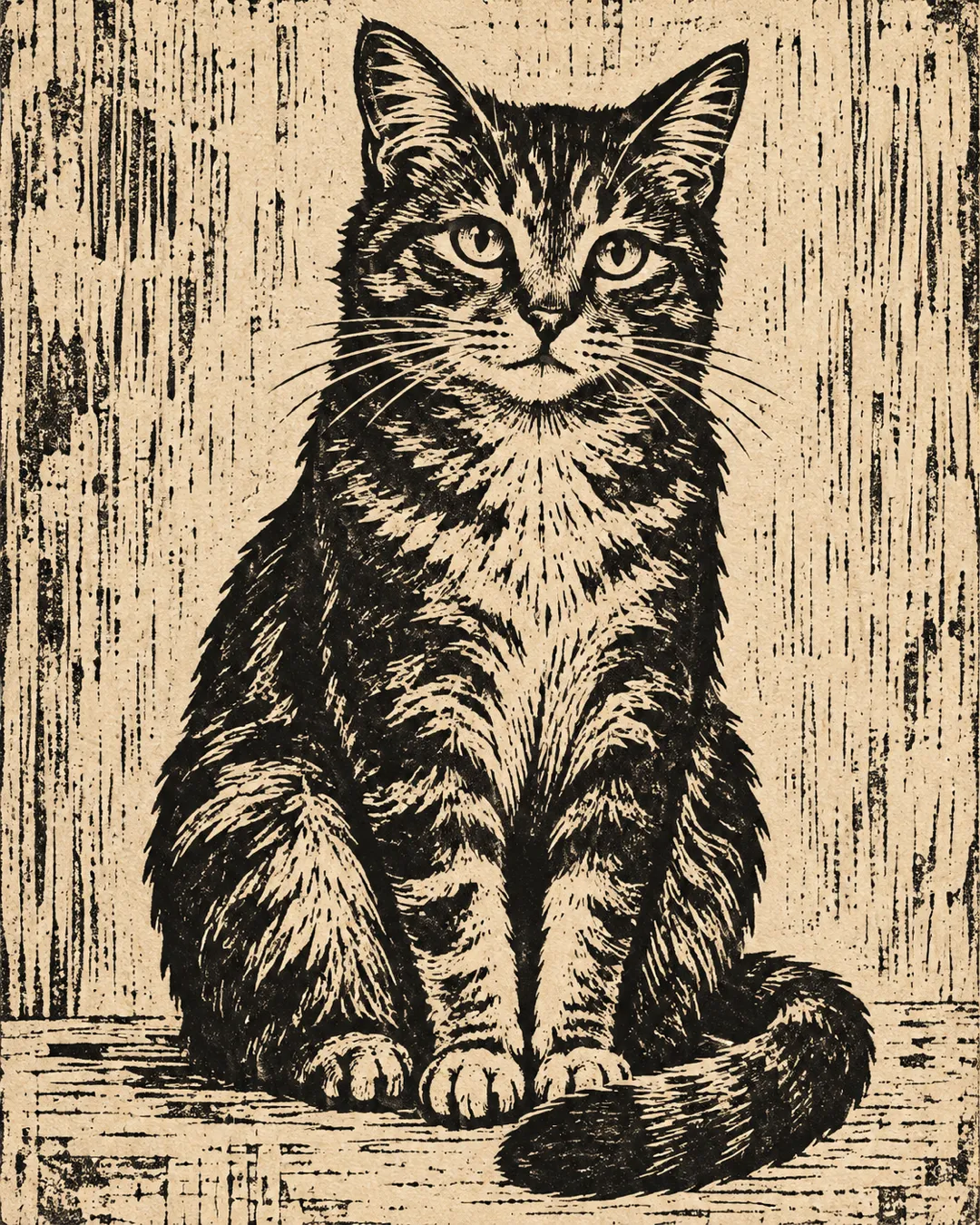
Woodcut print creates a bolder effect with carved marks and strong black-and-white contrast. Broad shapes and visible cuts help distinguish it from the finer linework of etching.
07. Naive Art
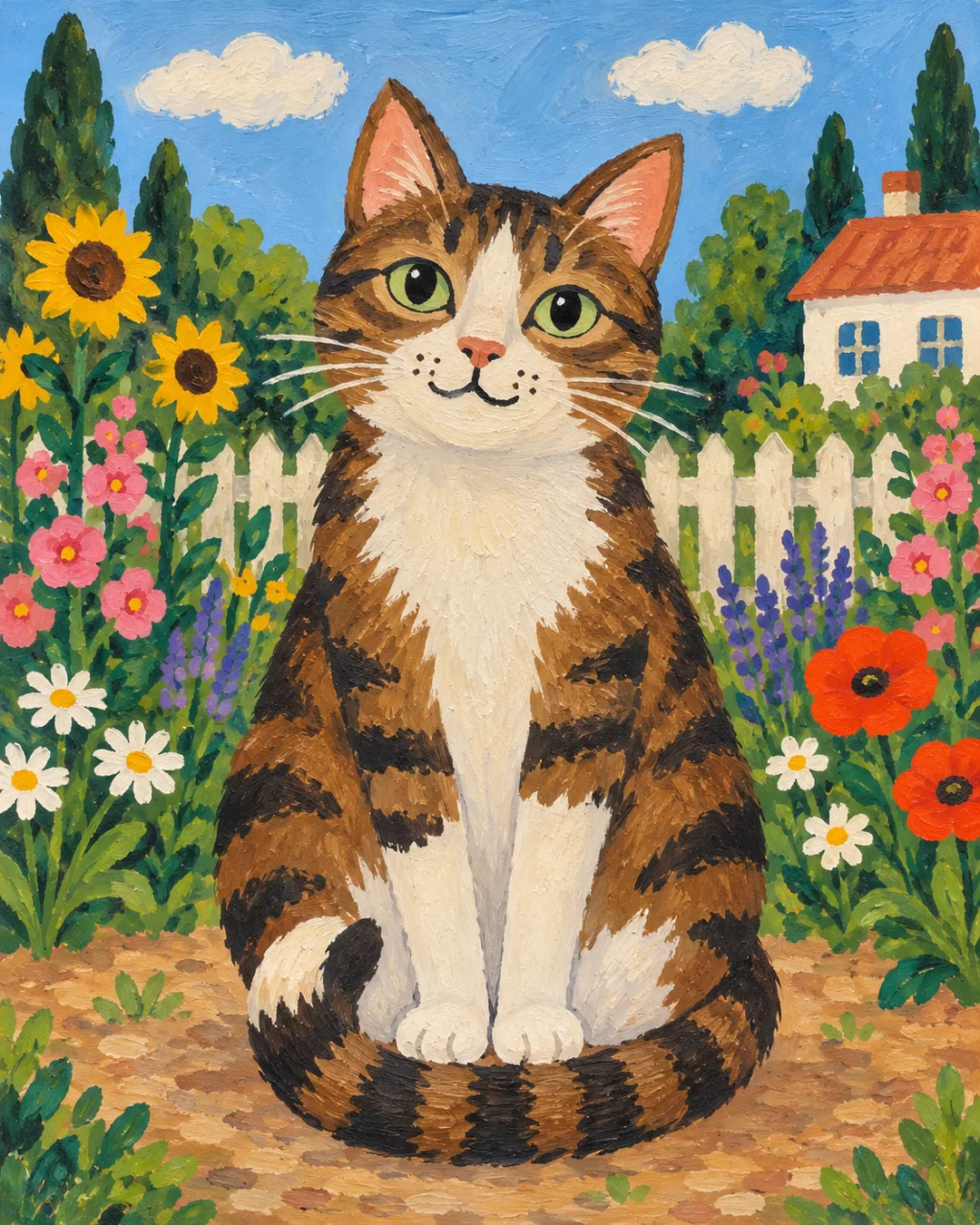
Naive art uses simple shapes, playful proportions, and flat colours. It can give a familiar scene a charming, informal quality without relying on realistic perspective or detail.
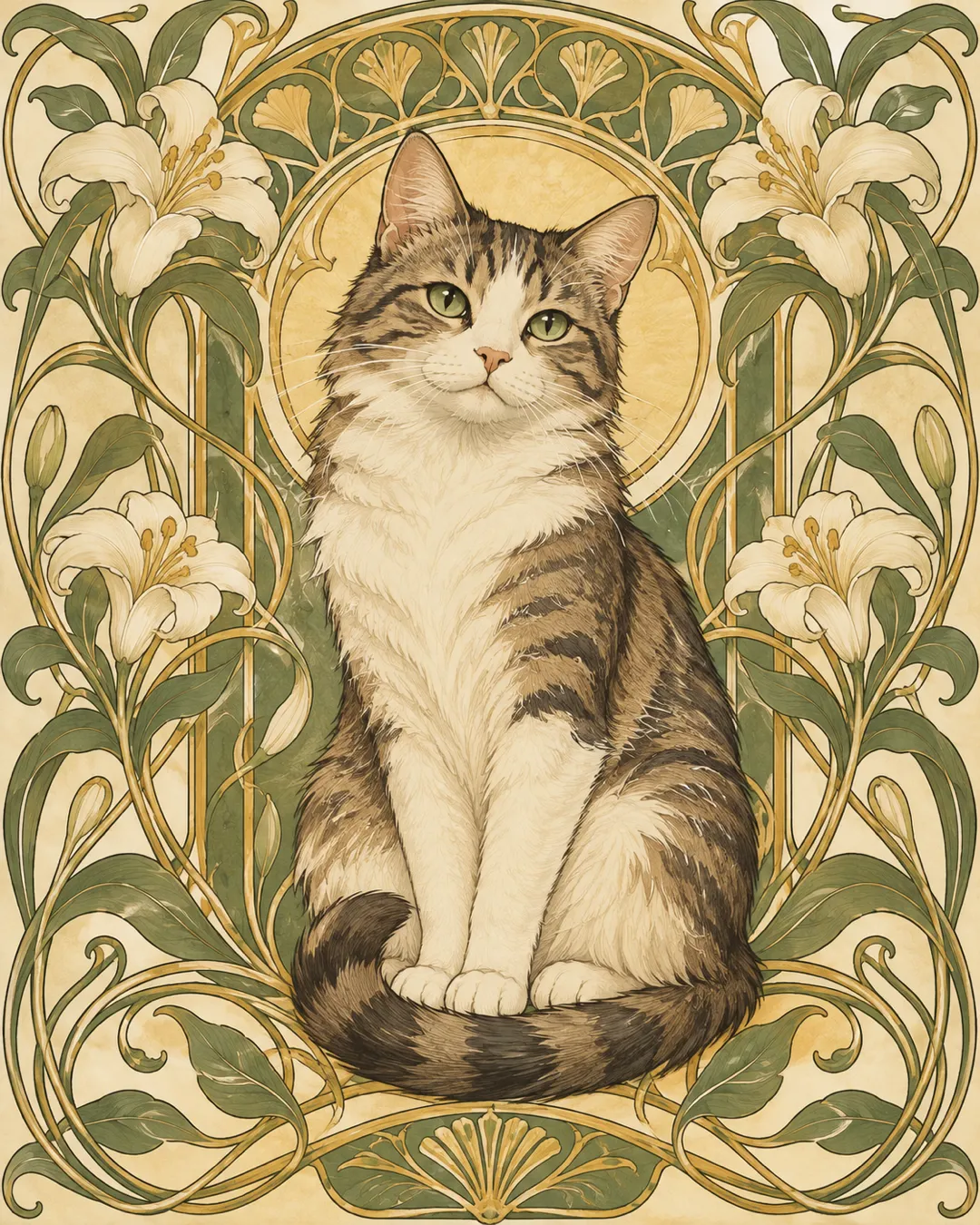
08. Art Nouveau
Art Nouveau combines floral patterns with elegant, flowing curves. Describe decorative framing and curling plant forms to extend the style beyond the subject itself.
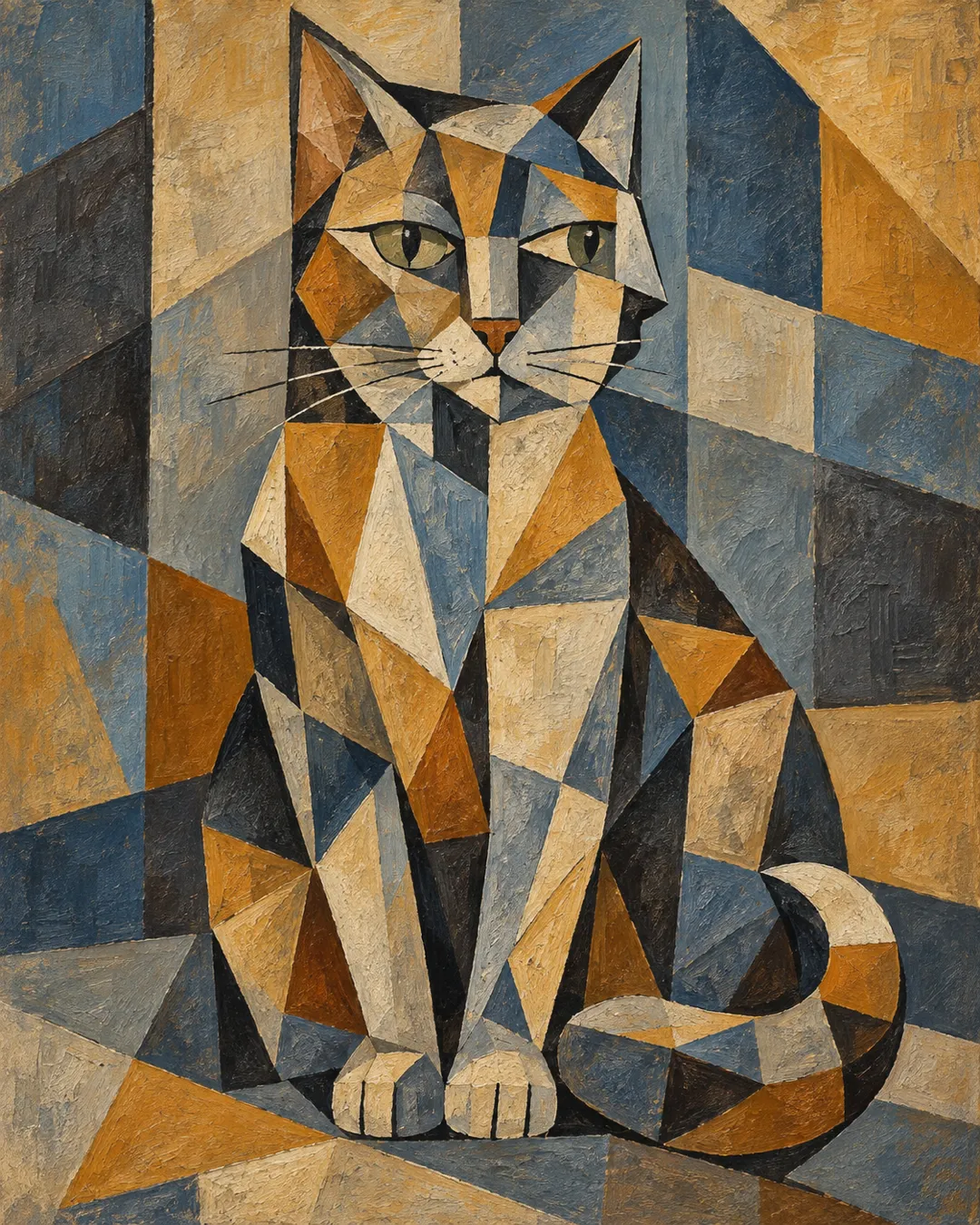
09. Cubism
Cubism fragments the subject into geometric forms and multiple viewpoints. Try describing overlapping planes and rearranged features to explore a less literal representation.
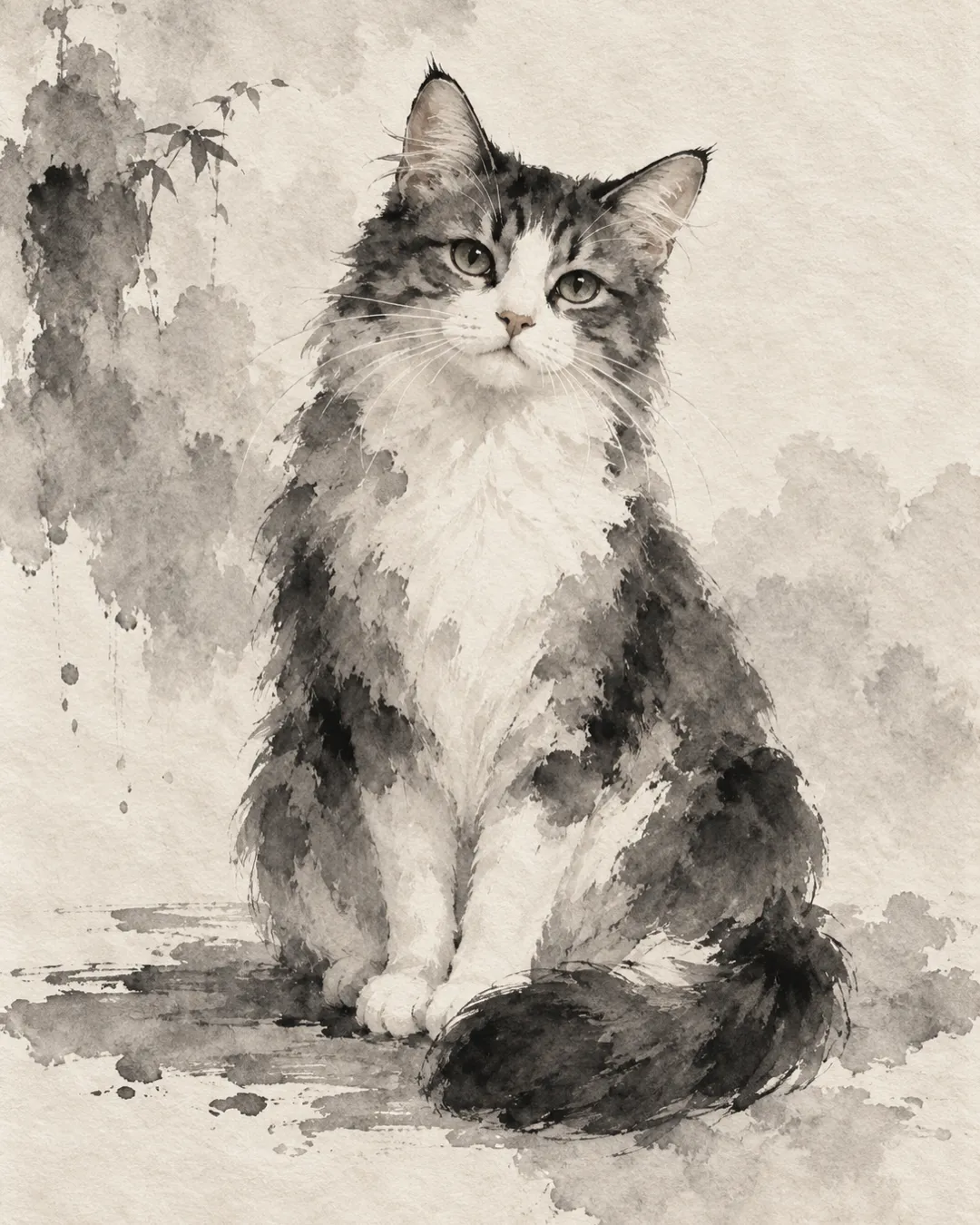
10. Ink Wash Painting
Ink wash painting uses soft ink gradients and expressive empty space. A few brush marks, diluted tones, and an open background can suggest the subject without filling every area with detail.
Cute Characters and 3D Textures
These styles change the character’s proportions, simplify its features, or make it appear as though it was shaped from a physical material.
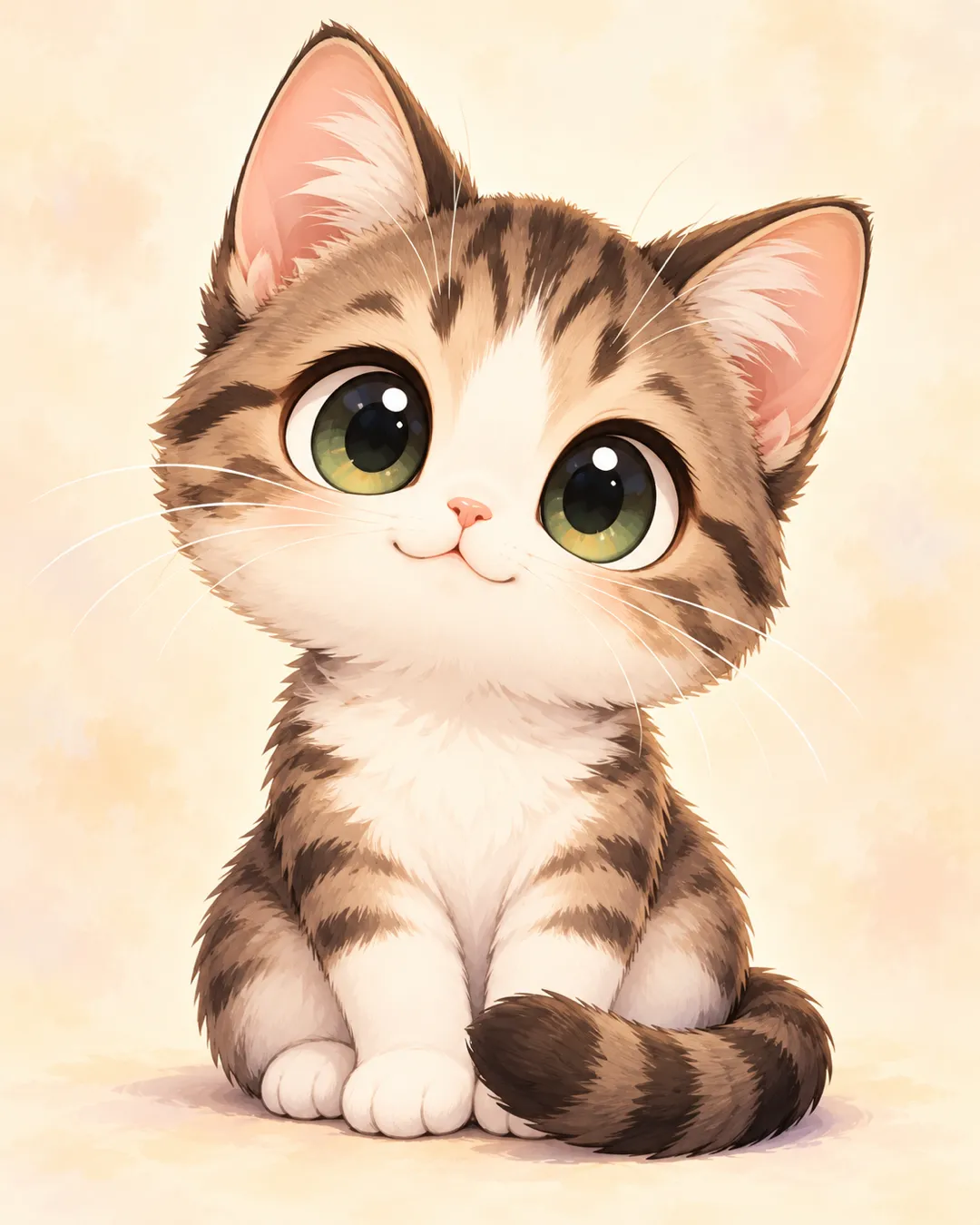
11. Chibi Style
Chibi style exaggerates character proportions with oversized heads, tiny bodies, and expressive faces. Describe the pose and expression alongside the proportions to give the character personality.
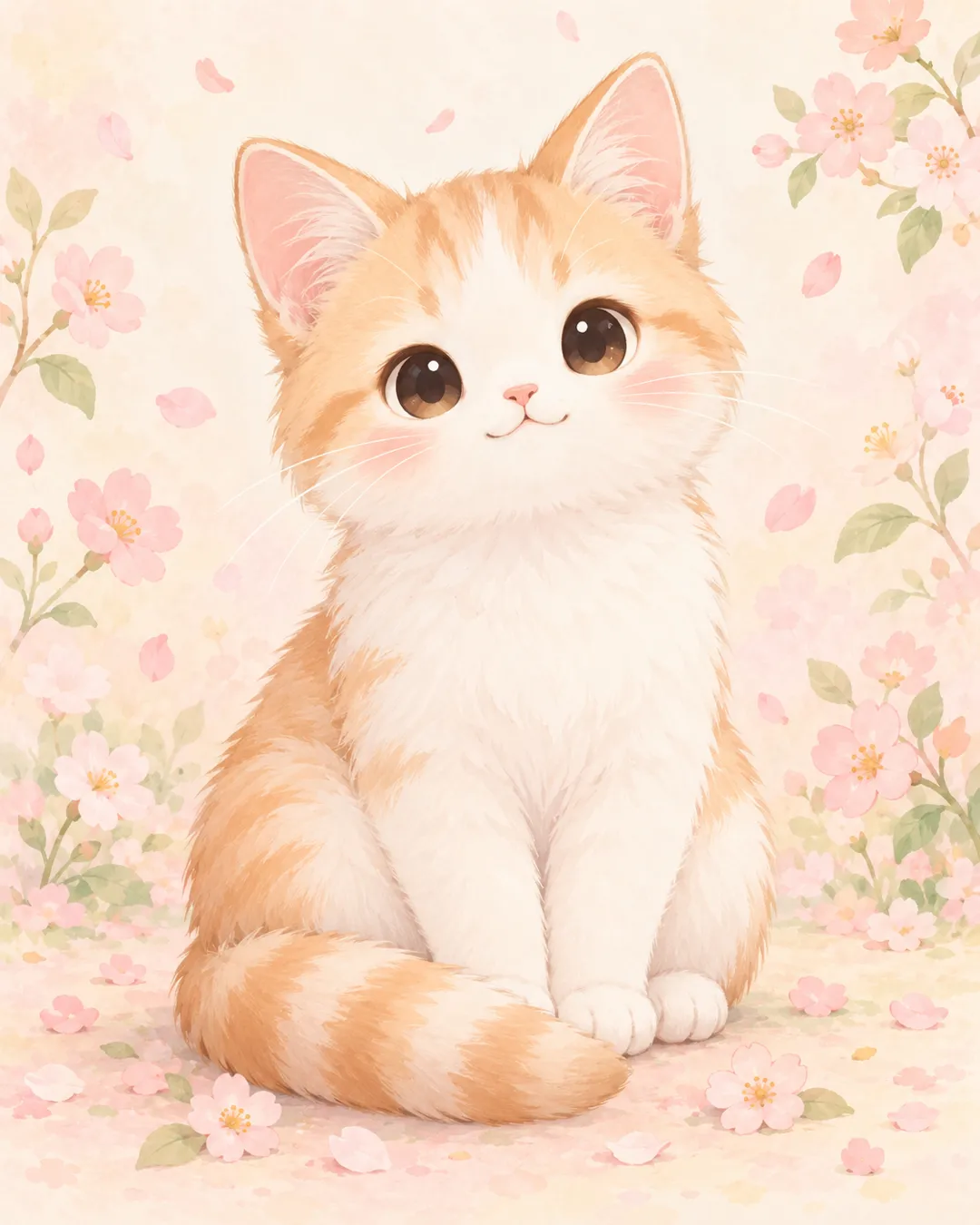
12. Kawaii
Kawaii centres on a cute, gentle appearance: pastel colours, rounded shapes, and simple features. Compared with the dramatic proportions of chibi, this prompt can focus more on softness and simplicity.
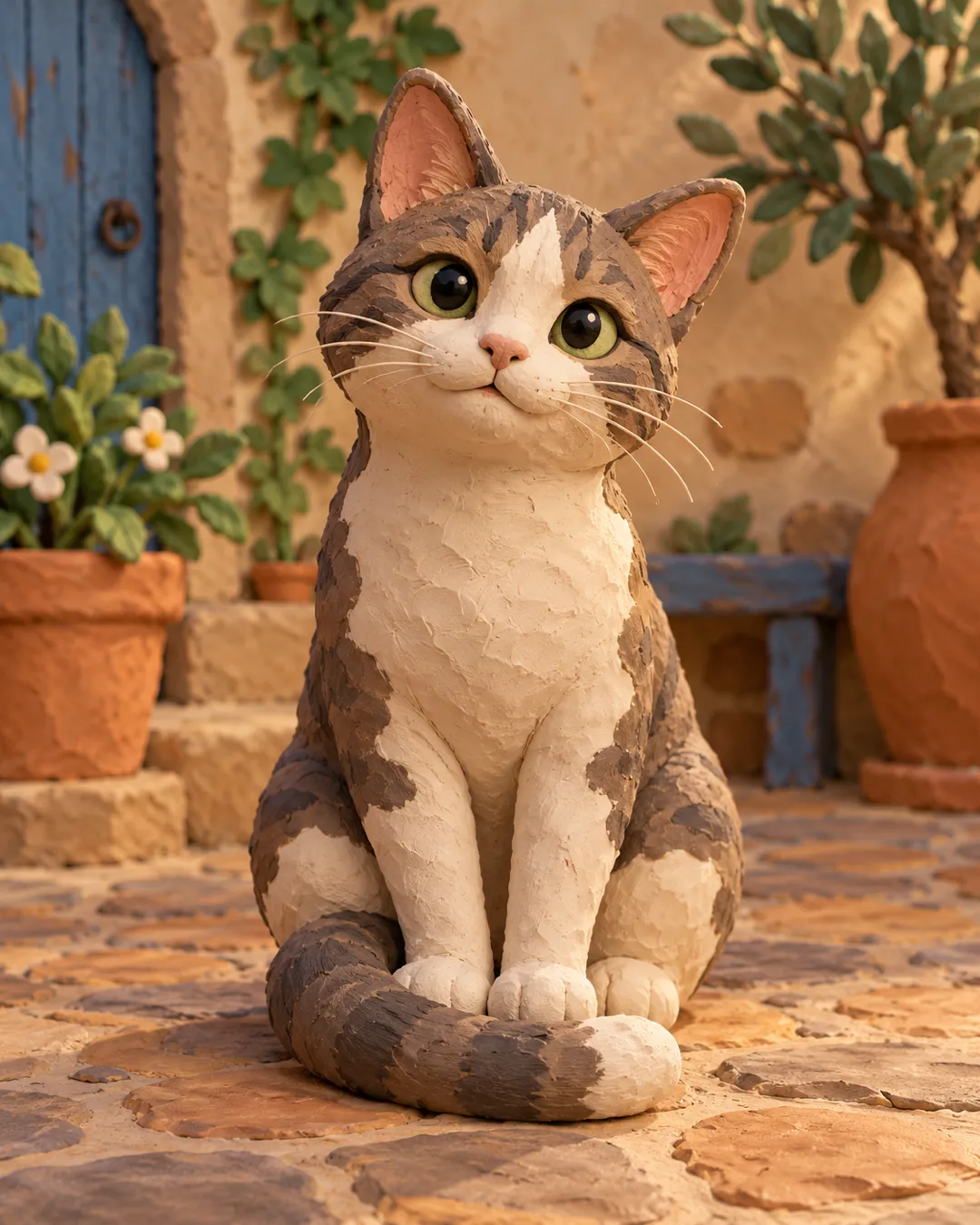
13. Claymation
For a still image, a claymation prompt aims for the appearance of a clay character on a miniature set. Hand-shaped textures and small surface imperfections help communicate the material.
Atmosphere and Worldbuilding
These keywords change the mood or setting more than the drawing technique. Try them when you want to explore a different atmosphere around your subject.
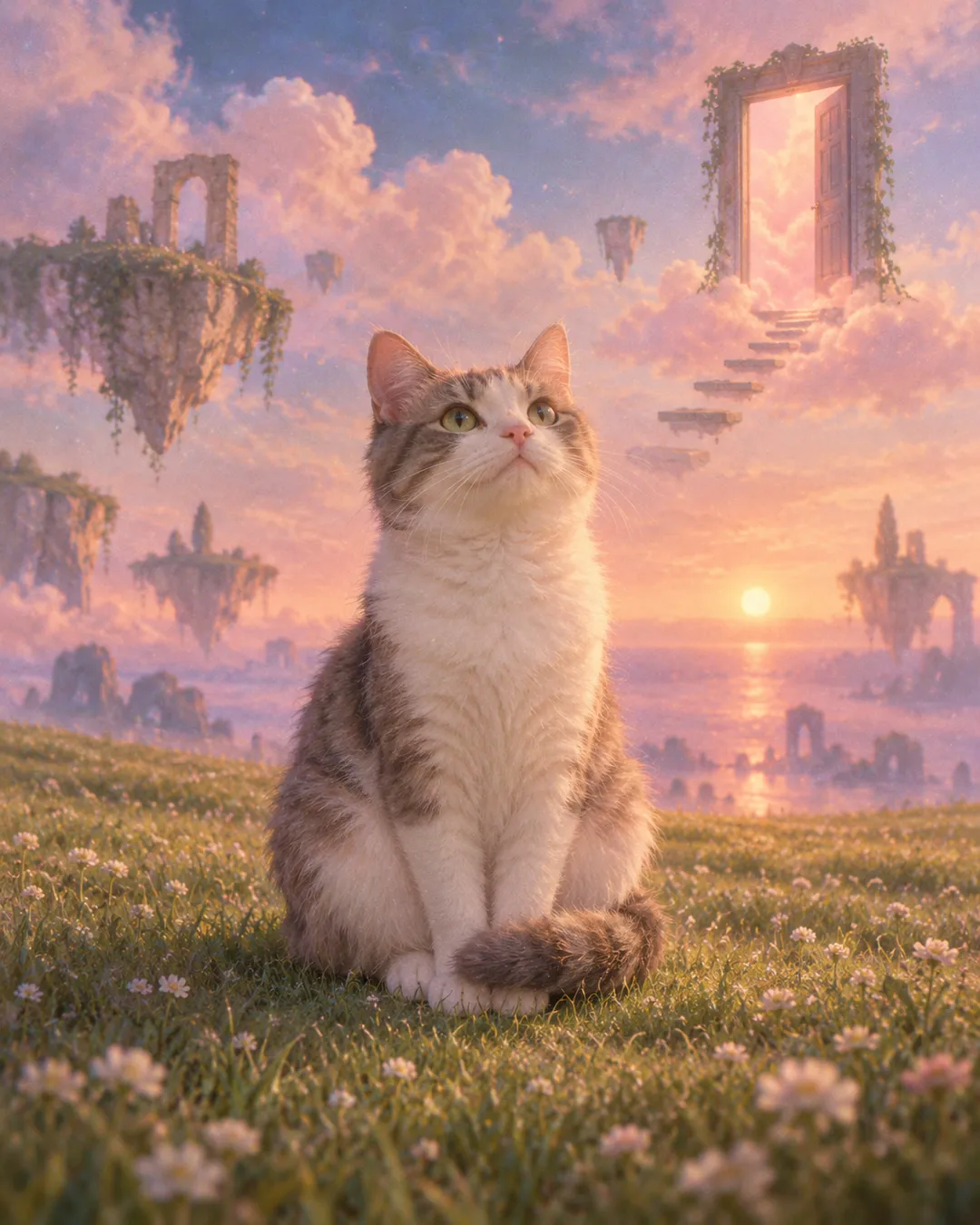
14. Dreamcore
Dreamcore creates hazy dreamscapes and familiar yet surreal scenes. Start with an ordinary place, then introduce soft light, unusual scale, or an unexpected surrounding landscape.
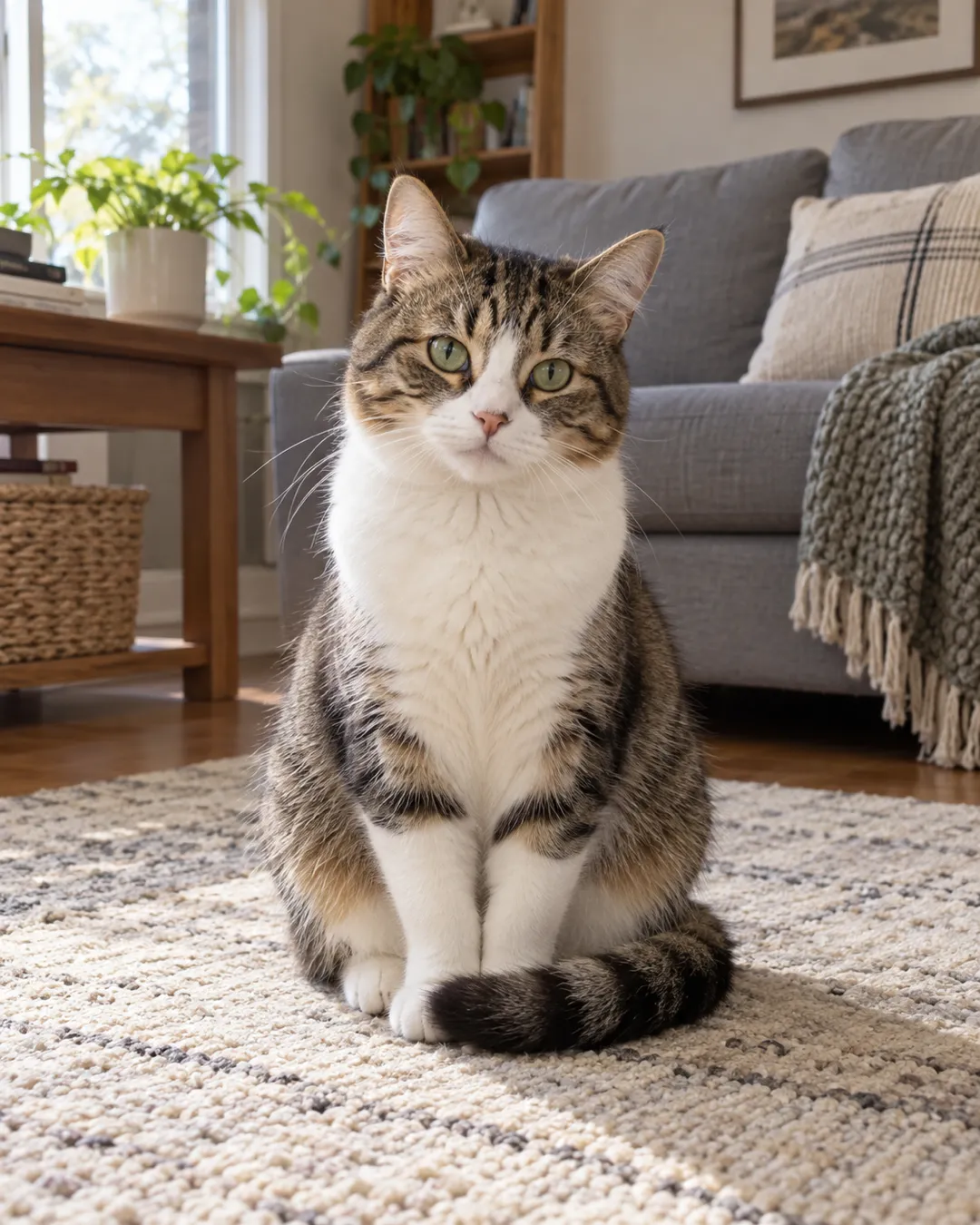
15. Normcore
Normcore keeps the scene grounded in everyday settings, neutral colours, and natural light. It is a useful direction to explore when you want an ordinary, understated image.
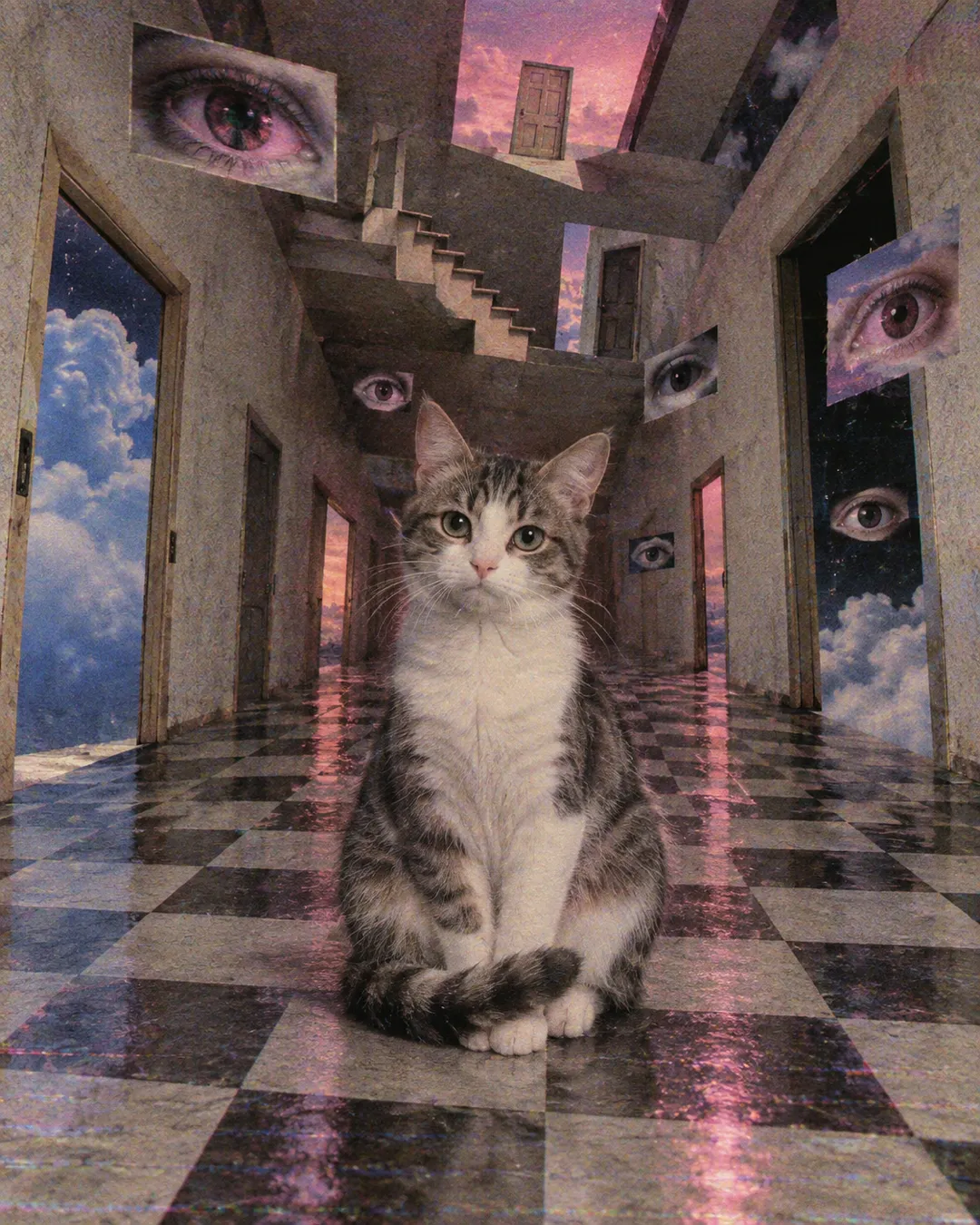
16. Weirdcore
Weirdcore introduces uncanny collages, distorted spaces, and digital noise. Describe specific disruptions to the scene so the sense of strangeness has a visual direction.
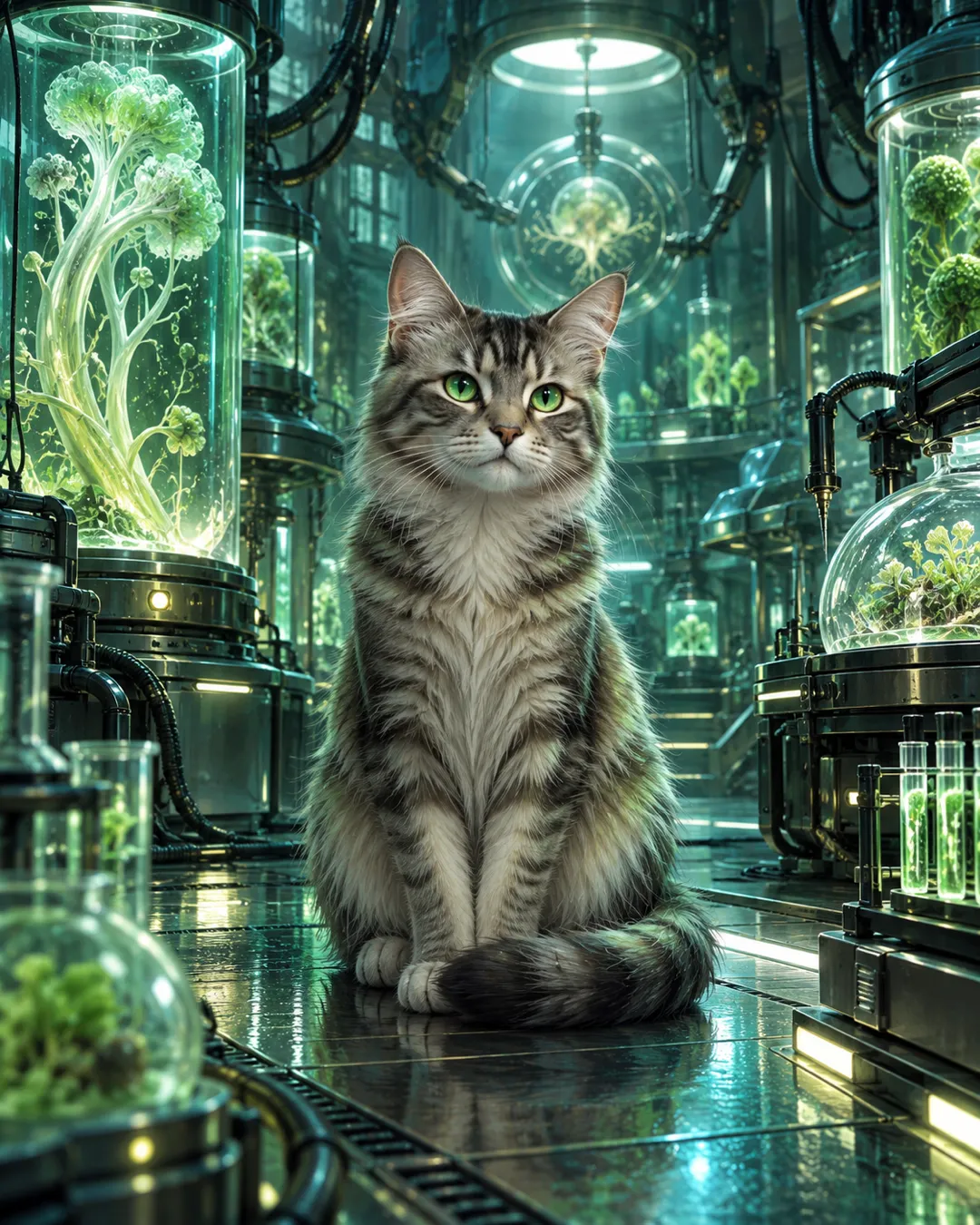
17. Biopunk
Biopunk combines biotechnology, organic structures, and futuristic laboratories. Use descriptions of living surfaces and biological machinery to shape the surrounding world.
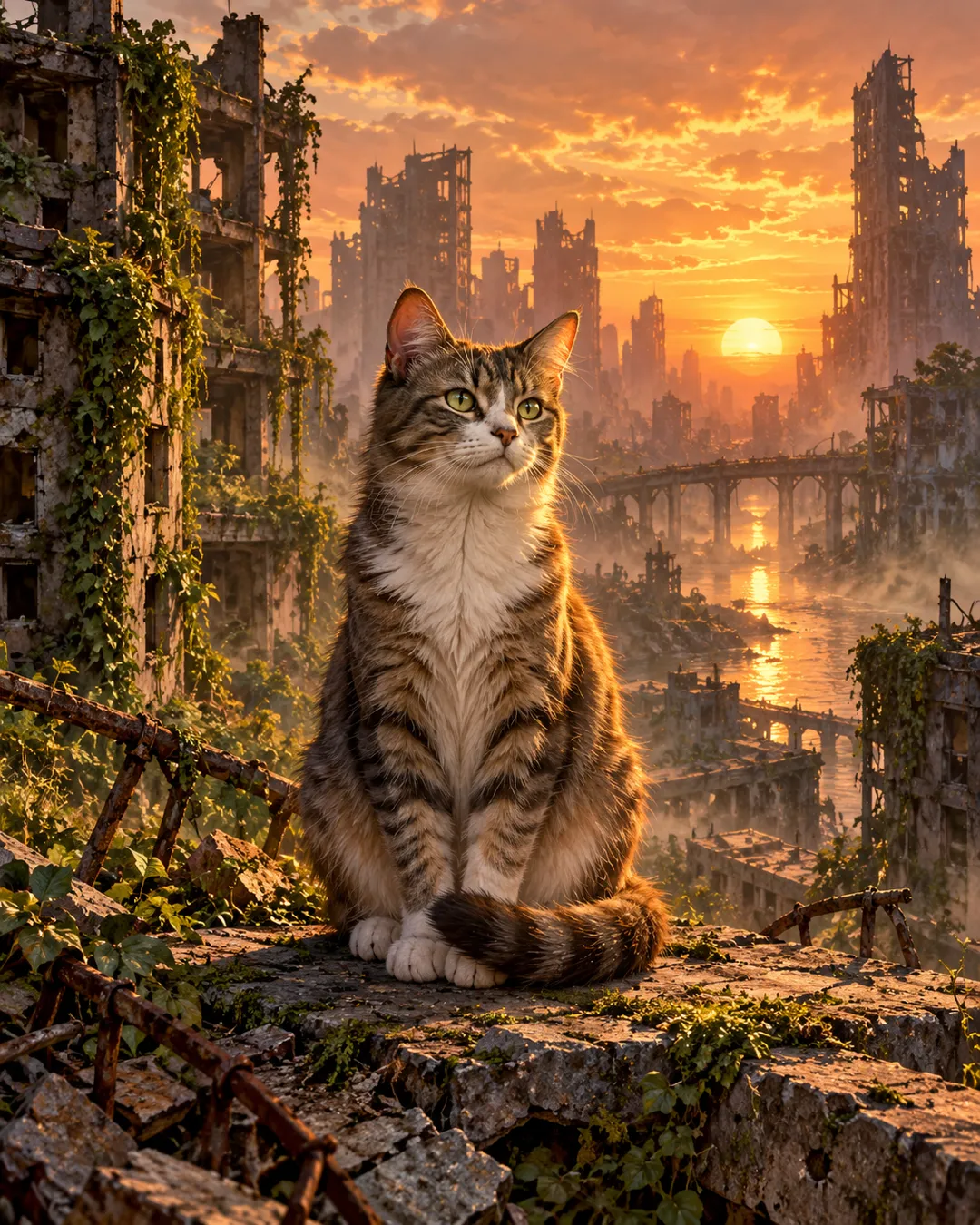
18. Post-Apocalyptic
Post-apocalyptic imagery places the subject among ruined cities, weathered surfaces, and overgrown landscapes. Details such as cracked walls and plants growing through abandoned structures help tell the story.
Make Your Own Style Comparison
Choose a simple subject and a clear setting. Try three styles with visibly different qualities, such as low poly art, ink wash painting, and claymation.
Keep the subject, pose, and setting in your prompt the same. Swap the style name and its supporting details, then compare the shapes, colours, textures, and mood of the results. If your tool offers a reference-image option, you can also use the same reference to guide the subject across experiments.
A style keyword is a starting point. Descriptions such as fine cross-hatching, rounded pastel shapes, or hand-shaped clay texture make the visual direction more specific.